
What is Fasted Cardio and Will it Benefit Me?
6th December 2019

In its most basic form, fasted cardio involves exercising at least four to six hours after eating when your body is no longer digesting food.
Debate persists over its effectiveness, however, with some critics arguing that fasted training offers little additional benefit over standard non-fasted exercise. Nevertheless, studies do suggest that fasted training can provide additional fat-burning benefits for those looking to maximise their weight loss.
Interested in incorporating fasted cardio into your workout? The good news is that if you’re someone who gets up early to complete your cardio before breakfast, you’re already applying some of the basic principles of fasted cardio. But if you’re not a morning person, don’t worry! There are other ways to achieve the benefits of fasted cardio, such as intermittent fasting or simply delaying a meal until after your workout.
What’s most important is that you fast carefully and safely having spent some time experimenting to determine whether fasting is right for you. Read on for a balanced discussion of the pros and cons of fasted cardio, advice on how to fast safely and fasted cardio workouts, and what to eat after fasted cardio to aid recovery.
Get ready for the stomach growls…
Does fasted cardio work?
The short answer is: yes, when done correctly, fasted cardio has been shown to help some people lose weight.
However, it’s important to note that positive results aren’t guaranteed. Everyone’s body is different, and everyone responds differently to certain exercise techniques.
What are the Benefits of Fasted Cardio?
It can burn up to 20% more fat than regular cardio
That’s according to a study in the British Journal of Nutrition.
The science behind this is simple. If you’re exercising after a meal, your body will break down food to provide energy to your muscles. However, if you’ve fasted for several hours before exercise, your body will turn to fat as an alternative source of fuel. For anyone looking to burn fat, this can be a godsend.
It can help boost results if your initial weight loss has slowed
If you’ve been exercising for a while and are suddenly finding it more difficult to shed pounds, fasted cardio can be a way to shift stubborn or resistant areas of fat.
For example, studies have shown that after an overnight fast, your body burns abdominal fat at an increased rate owing to an improved blood flow to the area. While the effects of this may not be particularly noticeable for a lot of people, fasted cardio can be extremely useful if you’re already lean and looking to cut weight.
It can be incorporated into any kind of aerobic exercise
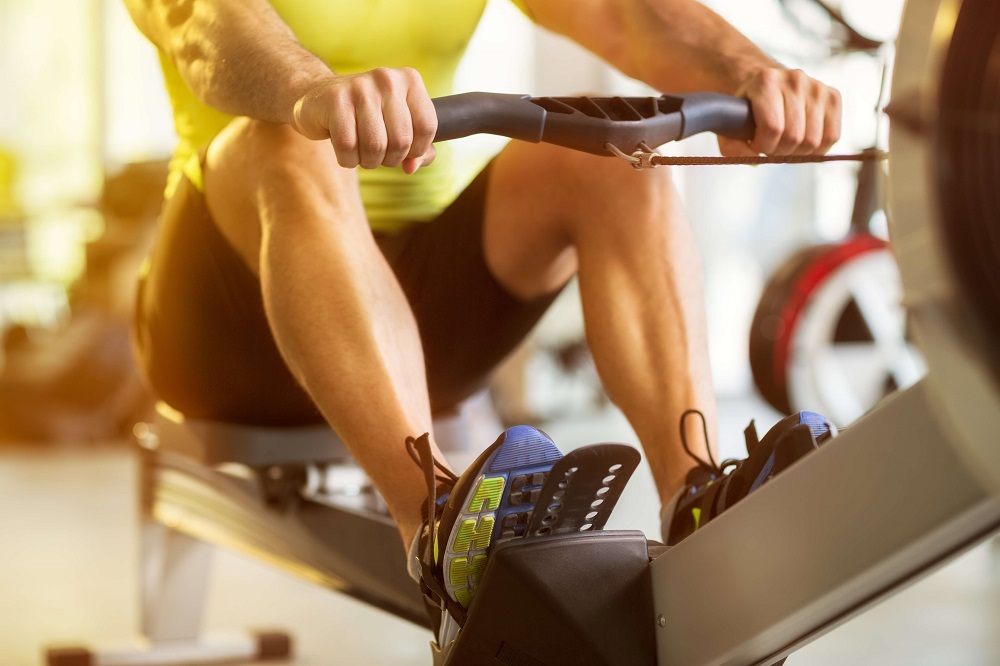
It doesn’t matter whether you’re running, rowing, skipping or swimming (or any other kind of aerobic workout!). No matter what type of cardio you prefer, you can apply the principles of fasted cardio to your regime.
How to Fast Safely
Although exercising in a fasted state is perfectly safe, there are a few things to be aware of if you’re experimenting with it for the first time. No matter your level of experience, fasting safely and carefully is key to achieving positive results.
Do Cardio Before Breakfast if You’re New to Fasted Training
Fasted training isn’t quite the same as exercising on an empty stomach. While you might feel empty after a few hours without eating, fasting involves going at least four to six hours without food to ensure the digestion process is complete.
For those who aren’t used to fasting, this can be a long time to go without food. So, the best way to experiment with fasted training is to do cardio in the morning before breakfast, which will result in fewer disruptions to your routine.

Know your limits
It’s better to try fasted cardio once you’re slightly more experienced with your training routine. After all, if you’re starving your body of energy, you need to know your limits.
This is especially true given that fasted training increases the risk of you experiencing low blood sugar and dehydration, as well as related symptoms such as dizziness and fatigue.
This means that it’s best to try out fasted cardio for the first time in a safe, controlled environment (i.e. away from busy roads!).
Aim for Low- or Mid- Intensity Training
Fasting will restrict your ability to perform high-intensity training. Think about it: without the energy your body gains from food, you won’t be able to perform at your maximum level. This means that fasting is best for low- or mid-intensity forms of training such as jogging.
Even for these lighter forms of training, there’s a chance you may struggle for energy and see an initial dip in performance in the first few weeks of fasting. Your body needs to get used to breaking down fat for energy rather than food, and it will take time to adjust to this change.

Watch Out for Muscle Wastage
In a fasted state, your body will draw on any available source of energy it can find. Ideally, this will take the form of excess body fat.
However, because a fasted body doesn’t discriminate between different energy supplies, there’s a chance it will burn protein in your muscles. This means that if you’re looking to build muscle mass or maintain your precious gains, fasted training probably isn’t the best option for you.
Consult Your Doctor if You Have Pre-Existing Health Conditions
This one is obvious; always speak to a doctor if you have a health condition that might be exacerbated by a change in diet (such as diabetes).
What to Eat After Fasted Cardio
Refuelling your body is a vital part of any exercise regime, and fasted cardio is no different.
Fortunately, because the fat-burning effects of fasted training are active during exercise, rather than after, there’s no need to delay your post-workout meal. Given that you’ll probably be hungrier than usual after fasting, this is welcome news!
Aim to consume something rich in protein and carbohydrates within approximately 30 minutes of completing cardio, since this will minimise muscle breakdown and boost recovery.

Conclusion: Using Fasted Cardio For Weight Loss
If your main goal in exercising is to burn fat and lose weight, there’s a good chance that fasted training is right for you. However, fasted cardio isn’t necessarily for everyone, and it should never be seen as a miracle cure.
At the end of the day, what you eat will always be more important than when you eat, and fasted cardio should represent just one component in a broader exercise regime.
If your diet is healthy and your exercise plans are achievable, why not try powering through the stomach rumbles to see if fasted training can work for you?
For tips on combining fasted cardio with other approaches to weight loss, try signing up for our newsletter or following us on social media:
NO COMMENTS